
“Every party’s had a shot—and they’ve sold us short. These 10 Acts aren’t just policies—they’re promises to rebuild what they broke.”






Loading Viewer...
Green Budget Framework – Comprehensive FAQ
Reclaiming our future by aligning national spending with human needs, justice, and sustainability.
What is the Green Budget Framework?
The Green Budget Framework is a 10-part legislative platform designed to fundamentally restructure the U.S. federal budget over a 4-to-8 year implementation period. It redirects resources from bloated military spending, corporate welfare, and regressive subsidies into universal healthcare, housing, education, infrastructure, environmental sustainability, public safety, and reparative justice.
What are the 10 Acts of the Framework?
- No School Left Behind Act
- American Priorities Rebalancing Act
- Shelter & Soul Recovery Act
- Public Safety Reinvestment Act
- Main Street Reinvestment Act
- Broadband & Communication Access Act
- Cannabis Justice & Public Revenue Act
- Universal Health Access Act
- Green Infrastructure & Sustainability Act
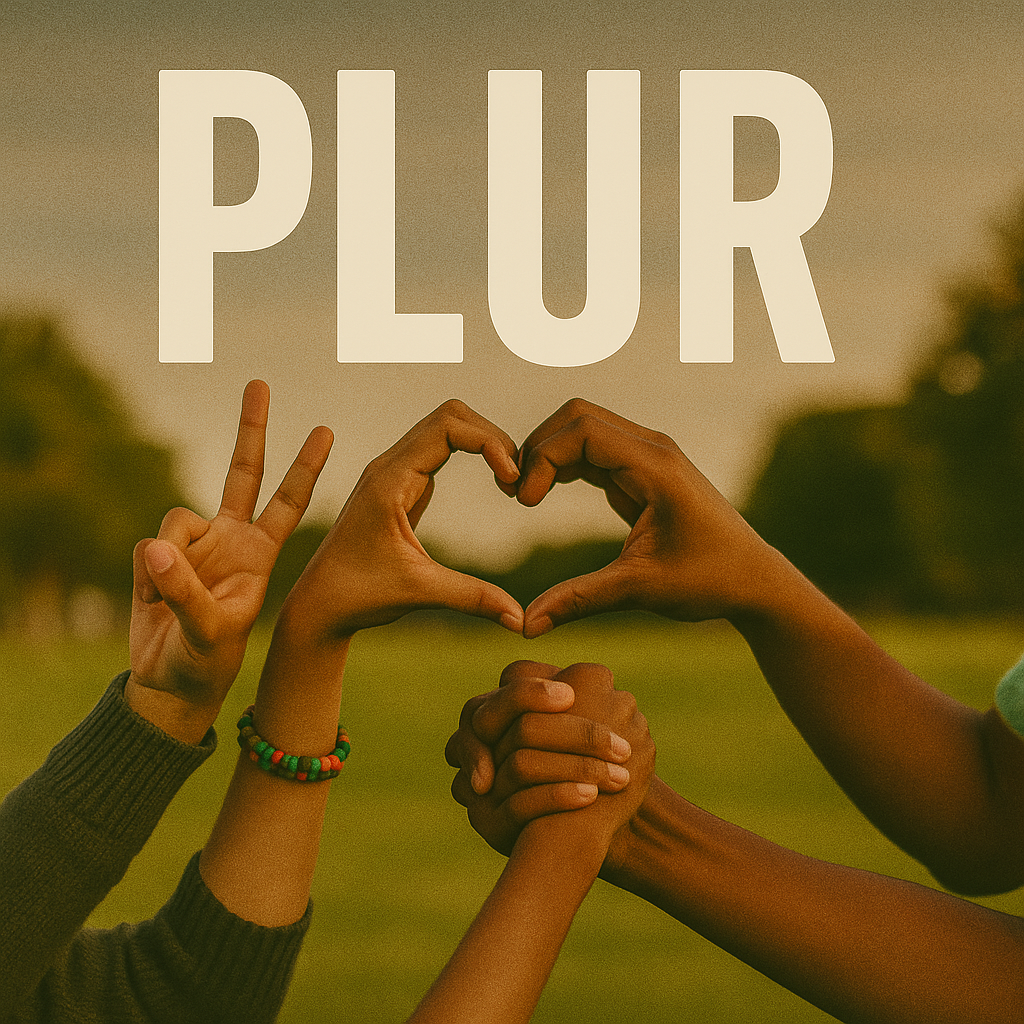
- PLUR Act (Peace, Love, Unity, Respect for a Repaired Nation)
Each act is interlinked to form a cohesive transformation strategy for American governance, rooted in equity, accountability, and sustainability.
Why is a full framework needed instead of piecemeal reform?
Because America’s crises are interconnected:
A child without housing struggles to succeed in school.
A community without clean water can’t stay healthy.
A city without public transit can’t support economic equity.
A society without truth and repair can’t achieve justice.
The Green Budget Framework is a systemic response to a systemic failure. Piecemeal reform leaves gaps that continue to harm vulnerable communities and undermine progress.
Can the U.S. afford this?
Yes, absolutely.
Funding Sources:
Military Budget Reallocation: A phased 30–40% reduction in Pentagon spending over 10 years (approx. $250–300 billion/year)
Tax Justice Reform: Closing tax loopholes, enacting wealth taxes, and taxing Wall Street speculation
Corporate Subsidy Reallocation: Ending giveaways to fossil fuel, private prison, and agribusiness monopolies
Public Ownership & Cooperative Investment Returns
Cannabis and pharmaceutical revenue (from Acts 7 & 8)
Cost-Saving Mechanisms:
Universal healthcare reduces administrative waste and emergency care costs
Public housing reduces long-term homelessness spending
Preventative mental health care reduces incarceration and crisis costs
Green infrastructure reduces future disaster recovery needs
This is not new spending — it is a realignment of our existing national wealth.
Isn’t this too ambitious to pass?
Ambitious doesn’t mean impossible. Major national frameworks like the New Deal, the GI Bill, or the Great Society programs were also considered radical when introduced. The Green Budget Framework is designed to:
Be passed in phases over 1-2 presidential terms
Use executive, legislative, and agency-level mechanisms
Work through a combination of national legislation and local implementation
Moreover, polling consistently shows that the individual elements of the framework are overwhelmingly popular with voters across party lines when presented clearly.
Is this socialism?
No. This is 21st-century public stewardship:
It empowers local ownership, worker cooperatives, and small businesses
It maintains market choice for elective and supplemental services
It ensures public goods are treated as rights, not products
The framework blends public investment with community-driven capitalism to create a resilient, fair, and accountable economy.
How do the Acts work together?
Cross-Act Integration:
Health + Housing: The Universal Health Access Act supports recovery models in the Shelter & Soul Act
Cannabis Revenue + Reparations: Act 7 funds aspects of the PLUR Act and housing justice
Education + Communications: School funding in Act 1 is matched with broadband equity in Act 6
Main Street + Infrastructure: Local jobs from Act 5 are directly tied to green retrofitting projects in Act 9
Public Safety + Healthcare: Crisis teams in Act 4 are reinforced by mental health coverage in Act 8
This creates self-reinforcing public value instead of competing silos.
What’s the implementation timeline?
Years 1–2:
Pass core funding and regulatory bills
Launch pilot programs for public safety, broadband, healthcare, and housing
Begin military budget realignment
Years 3–6:
Scale housing, green infrastructure, and cooperative ownership programs
Fully implement Universal Health and Education reforms
Launch Reparative Justice and National Service Corps
Years 7–8:
Institutionalize the framework through constitutional, agency, and regulatory means
Ensure permanence of funding through tax policy, trust funds, and community governance models
How is accountability enforced?
Public dashboards showing fund allocation, outcomes, and oversight
Local community councils in every congressional district
Sunset reviews and impact audits every 2 years
Whistleblower protections and public data laws
Accountability is built in — not assumed.
How does this affect rural America?
The Green Budget Framework is designed with geographic equity at its core:
Rural broadband access (Act 6)
Local economic revitalization (Act 5)
Mobile health and housing services (Acts 3 & 8)
Farm-to-market infrastructure and co-op farming models (Acts 5 & 9)
Climate-resilient retrofits and job creation in small towns (Act 9)
Rural voters stand to gain as much or more than urban ones through this shift.
What are the biggest challenges?
Entrenched corporate influence in both parties
Media misinformation campaigns
Bureaucratic resistance to structural change
Fear-based political messaging (“too radical,” “socialist”)
Overcoming these requires public education, grassroots leadership, and bold, unapologetic storytelling.
Final Thoughts:
The Green Budget Framework is not a utopian wish list. It is a strategic, achievable, and necessary restructuring of how the United States invests in its people. It honors the promise of democracy by delivering on its most basic responsibility: to care for the common good.