
“Internet access is a human right in the digital age. You shouldn’t need wealth to connect.”
Loading Viewer...
Broadband & Communication Access Act – FAQ
Universal access to high-speed internet, modern communication tools, and digital literacy for every household, business, and community in America.
What is the Broadband & Communication Access Act?
The Broadband & Communication Access Act is a core part of the Green Budget Framework focused on modernizing America’s communication infrastructure. It guarantees universal, affordable access to high-speed broadband, protects digital rights, and ensures that all Americans—regardless of location or income—can fully participate in the digital economy and civic life.
Why is this act necessary?
Millions of Americans—especially in rural, low-income, and tribal areas—lack access to reliable, affordable internet. The digital divide affects education, employment, healthcare, and democracy. This act treats broadband as a 21st-century public utility, not a luxury.
What does the act do?
Establishes universal broadband access as a federal right
Creates a Public Broadband Initiative to build and maintain fiber networks in underserved areas
Funds community-owned and cooperative broadband providers
Guarantees free basic service and sliding-scale high-speed plans for all households
Invests in digital literacy and inclusion programs
Regulates monopolistic ISPs and bans data throttling and price gouging
Protects net neutrality and online privacy
Who will build and maintain the networks?
A combination of:
Local governments and public utilities
Indigenous and rural cooperatives
Federally supported infrastructure teams The act prioritizes public ownership and community control to prevent corporate monopolization.
What about existing private ISPs?
Private providers may continue operating, but they will be:
Required to meet strict service and equity benchmarks
Forbidden from blocking content, engaging in predatory billing, or discriminating by region
Subject to public competition from government-supported networks
How will this affect rural and tribal communities?
The act directs immediate and sustained investment into:
Rural and tribal fiber optic infrastructure
Training programs for local tech jobs and broadband maintenance
Community-based ISPs operated by and for local residents This approach closes the urban-rural digital divide and supports self-determination.
Does it include mobile and wireless access?
Yes. The act includes:
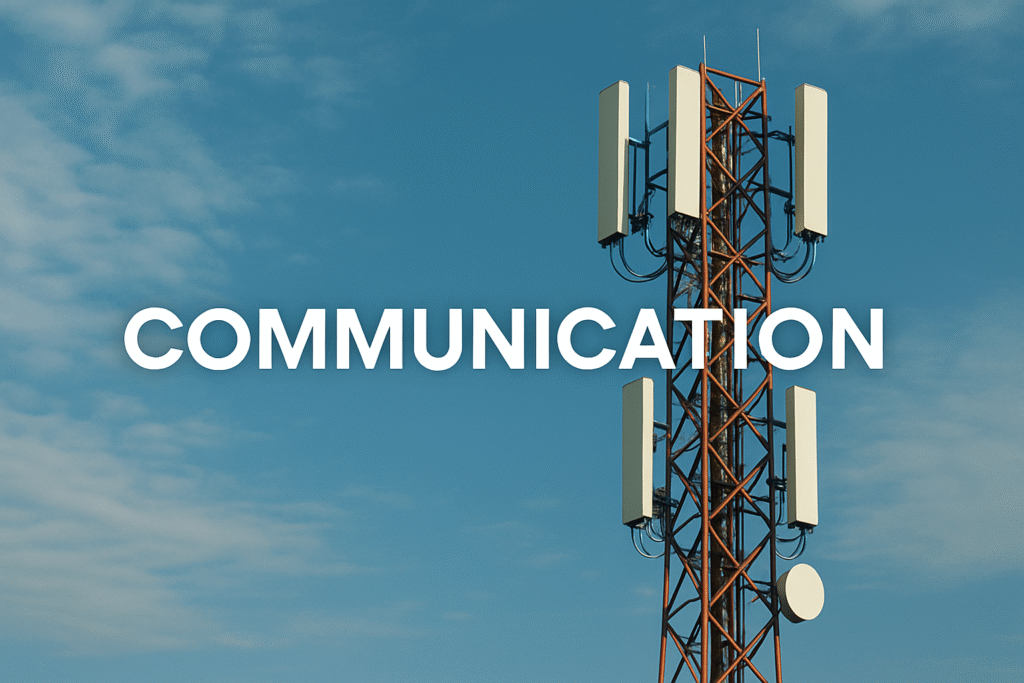
Expansion of 5G and next-gen wireless to all population centers
Subsidies for low-cost smartphones and wireless plans
National Wi-Fi access in public spaces, transit systems, and federally funded housing
How is online privacy addressed?
The act creates a Digital Rights Bill that:
Bans data harvesting without consent
Requires clear opt-out policies
Prohibits sale of sensitive user data
Establishes a new Federal Data Protection Agency to enforce privacy rights
Will this help with education and remote work?
Yes. Universal broadband enables:
Equal access to online education and homework
Remote job opportunities in rural and underserved communities
Expansion of telehealth, virtual town halls, e-commerce, and civic participation
How is this different from past federal broadband efforts?
Unlike past programs that subsidized major telecoms with little oversight, this act:
Shifts ownership to public and cooperative hands
Builds lasting infrastructure instead of temporary fixes
Holds providers accountable through transparent metrics and public input
Treats connectivity as a public good, not a profit stream
How is this funded?
Funding comes from:
Reductions in military tech contracts
Ending telecom tax breaks and loopholes
Green infrastructure funds within the Green Budget Framework
Public-private partnerships that guarantee community ownership
What is the long-term vision?
To build a nation where every person can access the tools to learn, earn, create, and connect—regardless of income, geography, or background. Digital freedom is a civil right, and this act makes it real.