
“The system rewards greed and punishes labor. That’s backwards—and I’m flipping it.”
Loading Viewer...
Main Street Reinvestment Act – FAQ
Rebuilding local economies from the ground up — not the top down.
What is the Main Street Reinvestment Act?
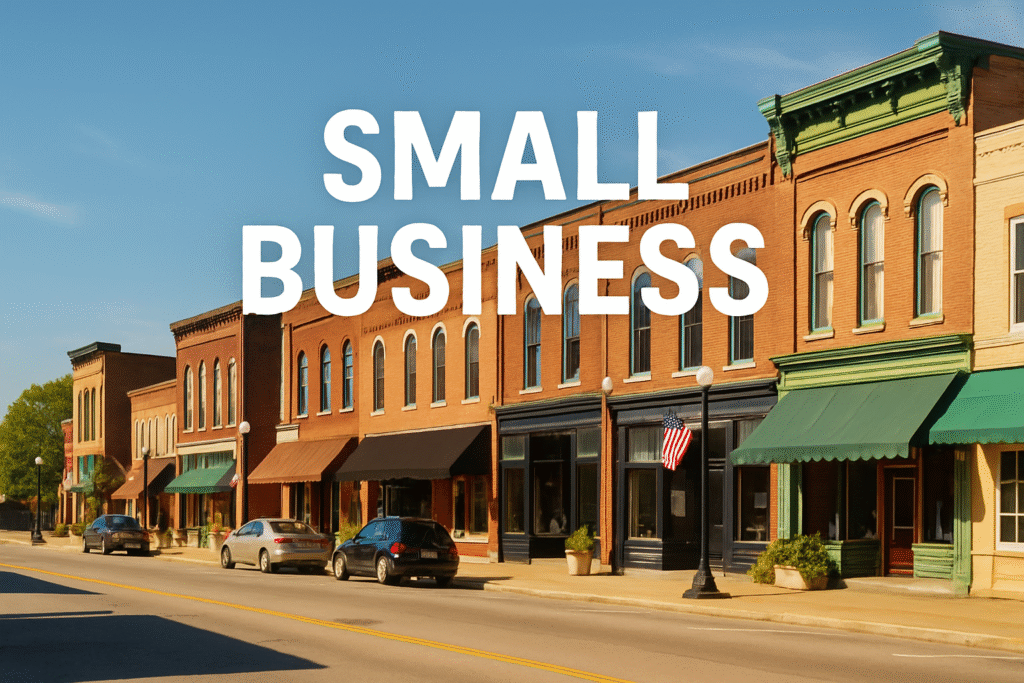
The Main Street Reinvestment Act is an economic justice policy under the Green Budget Framework designed to revitalize local economies, protect small businesses, and re-center working people in American economic life. It redirects federal financial support away from Wall Street and multinational corporations, and toward Main Street: locally owned businesses, cooperatives, public markets, and community services.
Why is this act needed?
Decades of economic policy have favored:
Corporate consolidation and monopolies
Outsourcing and automation
Real estate speculation and financialization
Meanwhile, small businesses, rural economies, and everyday workers have been left behind. The COVID era and ongoing inflation crises further exposed the fragility of local economies. This act addresses those structural failures head-on.
What does the act do?
The act introduces a suite of programs and protections to:
Expand access to low-interest loans and grants for small and micro businesses
Fund public cooperative incubators and shared commercial spaces
Cap credit card and payment processing fees for small merchants
Launch a nationwide Local Business Support Network offering technical assistance, training, and marketing
Protect small farms, restaurants, repair shops, and storefronts from predatory development and buyouts
Create a Federal Main Street Investment Fund with local advisory boards to guide spending
How does this help workers?
Increases support for worker-owned co-ops and employee-owned businesses
Funds union-friendly entrepreneurship centers
Provides startup grants and training for gig workers and sole proprietors
Expands access to capital for formerly incarcerated individuals and low-credit applicants
Incentivizes living-wage hiring practices through tax credits and grant preferences
Who is eligible for support?
The act is tailored for:
Small businesses with 50 or fewer employees
Worker cooperatives and employee-owned companies
Independent contractors and gig workers
Minority-, woman-, and veteran-owned businesses
Local farms, food providers, and artisans
Public market vendors and pop-up entrepreneurs
Federal support is means-tested and locally administered, ensuring equity and community relevance.
How does this differ from corporate subsidies?
This act:
Ends federal corporate welfare for multinational conglomerates
Redirects subsidies toward community-scale commerce
Requires transparency, local input, and democratic oversight
Penalizes companies that outsource jobs or exploit labor
Simply put, it builds economies that can’t be shipped overseas.
How does the act protect communities from gentrification?
The act includes:
Community Land Trust expansion and support
Anti-displacement policies tied to business development zones
Protections for cultural districts and legacy businesses
Rent stabilization for commercial tenants in federal development zones
Main Street revitalization must uplift, not displace.
How is the act funded?
Funding comes from:
A modest Wall Street speculation tax (0.1% on high-volume trades)
Reallocation of federal tax breaks from large corporations to local economies
Reductions in Defense Department contracting waste and offshore outsourcing subsidies
This redirection ensures that economic recovery reaches your neighborhood—not just corporate boardrooms.
How does this support rural communities?
Rural communities benefit through:
Dedicated rural Main Street funds
Broadband, postal banking, and transportation access integration
Farm-to-market infrastructure grants
Federal storefront revival campaigns and repair economy investment
Local economies are the backbone of rural survival—and this act treats them as such.
What is the long-term vision?
A nation where small businesses thrive, local ownership is common, and every town has the tools to rebuild itself — without waiting on handouts from Wall Street or Silicon Valley.