
“There’s no free market on a dead planet. We need regeneration, not deregulation.”
Loading Viewer...
Green Infrastructure & Sustainability Act – FAQ
Modern infrastructure. Climate resilience. Millions of green jobs. Built for people, not profit.
What is the Green Infrastructure & Sustainability Act?
The Green Infrastructure & Sustainability Act is a transformative public works initiative under the Green Budget Framework. It reimagines how America builds, moves, powers, and protects its communities by investing in climate-safe, people-first infrastructure—while creating millions of living-wage jobs and preparing the nation for the realities of the 21st century.
Why is this act necessary?
America’s infrastructure is outdated, dangerous, and unsustainable:
Aging water systems with lead contamination
Fragile power grids vulnerable to extreme weather
Crumbling roads, bridges, and public transit
Overdependence on fossil fuels
Rising sea levels and worsening natural disasters
This act brings infrastructure into the future by prioritizing climate resilience, environmental justice, and long-term sustainability.
What does the act invest in?
The act funds a decade-long federal initiative that includes:
Retrofitting all public buildings for energy efficiency
Replacing all lead pipes and modernizing water infrastructure
Expanding mass transit, walkable cities, and bike networks
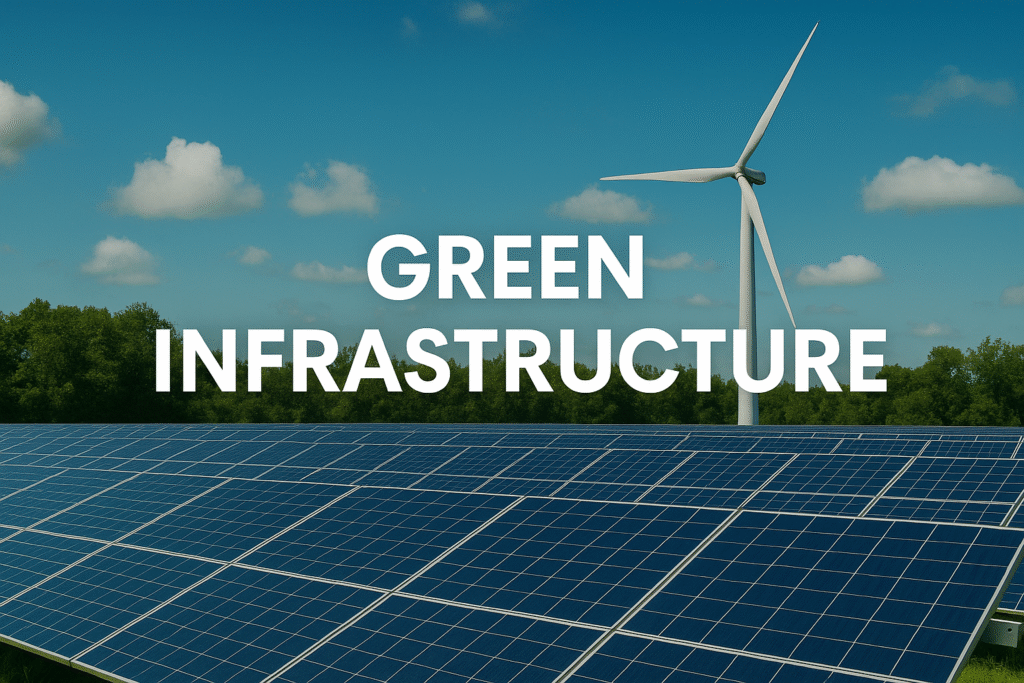
Building out renewable energy systems (solar, wind, geothermal)
Greening public housing and schools
Restoring wetlands, forests, and coastal barriers to mitigate climate disasters
Reinforcing infrastructure in flood zones, fire zones, and storm-prone regions
How many jobs will this create?
The act is projected to create over 5 million living-wage jobs across construction, engineering, energy, transit, and public service. These jobs include:
Unionized trade jobs
Green energy technicians
Civil and environmental engineers
Conservation workers
Climate resiliency planners
Public works project managers
Training and placement programs are included to ensure equitable access, especially for workers transitioning from fossil fuel industries.
Who will benefit the most?
Rural communities gaining new water systems, energy independence, and local transit
Urban communities receiving cleaner air, transit expansion, and retrofitted housing
Low-income and frontline communities prioritized for early investment
Small towns and tribes receiving direct federal grants for infrastructure planning and upgrades
Equity is embedded in the funding model to reverse decades of disinvestment.
How is this different from past infrastructure bills?
Unlike past efforts that funneled billions to private contractors and highway expansion, this act:
Prioritizes public ownership and democratic planning
Bans fossil fuel infrastructure expansion
Targets climate resilience, not car dependence
Focuses on repair and renewal, not sprawl and speculation
What about broadband and clean energy?
While this act includes some clean energy and communications upgrades, those are primarily funded through:
The Broadband & Communication Access Act
The Green Energy Transition Authority (a proposed agency nested within the budget framework)
This act’s role is to build the physical backbone—roads, power grids, buildings, and landscapes—for a sustainable and connected nation.
How is this funded?
Funding comes from:
Military budget reallocation
Corporate tax reform and closure of fossil fuel subsidies
Carbon polluter penalties
Green bonds and public investment mechanisms
No new taxes on working-class Americans are needed.
What are the environmental protections?
All projects must:
Undergo independent environmental review
Prioritize low-impact materials and methods
Include environmental justice screening
Be designed for minimal carbon output and long-term sustainability
In short: green infrastructure must also be just and regenerative.
What is the long-term vision?
To leave behind a fossil-fueled, crumbling past and build a nation that is climate-secure, publicly powered, and structurally just—where the infrastructure of daily life serves communities, not corporations.