
The Intel Grab: Populism or Nationalism?
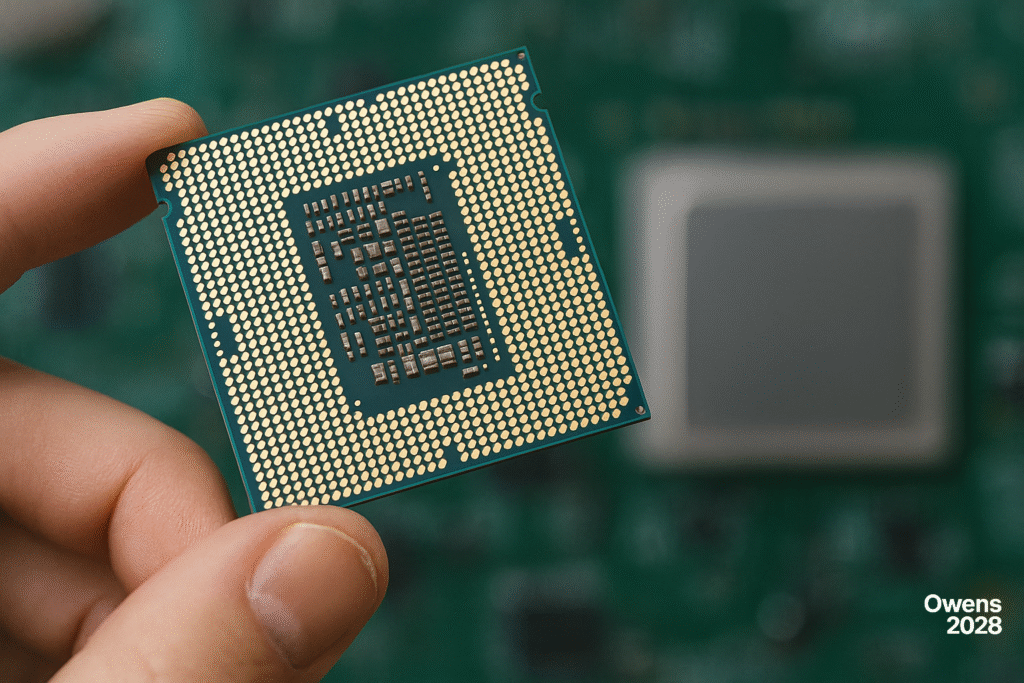
Yesterday, headlines lit up with the announcement that the U.S. government is taking a 10% ownership stake in Intel, dropping nearly $9 billion of public money into the corporation. Wall Street responded instantly, with Intel’s stock price jumping over 7%. Politicians rushed to the cameras to declare it a victory for “national security” and “American resilience.”
But here’s the real question: is this a win for the people, or is it another example of nationalism cloaked in populist language? When government begins buying corporations instead of investing in citizens, the alarm bells of history start ringing loud and clear.
The Mask of Populism
The word populism gets thrown around a lot, and too often it’s misused. Real populism is about the people first. It’s about making sure workers are paid fairly, families can afford to live, and communities thrive with opportunity.
That’s not what happened yesterday. The Intel deal isn’t about lifting people up — it’s about locking taxpayer money into corporate profits. The people are used as justification, not as beneficiaries. We’re told this is about “protecting the nation.” But who is really protected here? Shareholders, executives, and the elite class that thrives when government and corporations walk hand-in-hand.
Nationalism’s Playbook
We have seen this script before, and history doesn’t forget. In the 1930s, Germany’s fascist regime, led by the infamous “little mustache,” bought into industry and claimed it was all for national strength. Other dictators followed the same playbook: control the economy under the banner of patriotism, funnel wealth upward, and silence dissent by convincing the people it was for their own good.
This isn’t to say yesterday’s Intel deal is the same as those regimes — but it rhymes. Nationalism always starts with claims of unity and security. It always uses the language of “the people” to sell decisions that mostly benefit the powerful few.
That’s why nationalism is so dangerous: it mimics populism but strips out its soul. It looks like protection but delivers consolidation. It promises strength but erodes democracy.
The Missed Opportunity
If we have $9 billion to spend, ask yourself: what would real populism have done with that money?
- Housing: We could fund affordable housing across dozens of cities, tackling homelessness head-on.
- Healthcare: We could expand community clinics, lower drug costs, and ensure families aren’t buried by medical debt.
- Energy: We could build public renewable energy cooperatives, cutting bills and creating resilience in every town.
- Education & Connectivity: We could expand rural broadband, repair schools, and invest in job training for the future.
That’s what people-first investment looks like. That’s what national security really is — not corporate stock portfolios, but stable, healthy, empowered communities.
The Green Values Lens
From a Green perspective, this deal is exactly backward.
- Ecological Wisdom means building clean energy, not feeding tech monopolies built on extractive mining.
- Social Justice means investing where inequality is sharpest — not enriching shareholders already on top.
- Grassroots Democracy means communities having a voice, not deals struck behind closed doors.
- Nonviolence means rejecting “national security” excuses for military-industrial growth.
The Intel buy-in checks none of these boxes. It’s nationalism framed as populism, designed to look like strength but destined to deepen inequality.
The Path Forward
We don’t need nationalism. We need authentic populism. A government that invests in people, not corporations. A democracy that strengthens communities, not monopolies. A nation that measures success not by stock prices, but by whether families can live with dignity.
The Intel buy-in is a warning. It shows how quickly leaders will reach for corporate solutions while telling us it’s for our own good. The lesson from history is clear: every time we blur the line between state and corporation, democracy pays the price.
True security, true strength, true resilience — those come from us. From the people. And no amount of stock certificates in a tech giant can replace that.
I’m traveling coast to coast, meeting Greens, supporting down-ballot candidates, and connecting with you directly where you are. Unlike career politicians, I fund my journey by working gigs like DoorDash and Instacart—time that could be spent building real change.
If you believe in this movement and want to help me dedicate more of my time to meeting voters and supporting our shared mission, click the image below to show your support. Together, we can build something lasting for 2026, 2028, and beyond.
